What to know about Bali’s growing market, villa types, and how to make a smart investment in Bali real estate. Buying property in Bali as a foreigner requires informed decisions — whether you’re considering ready properties or off-plan investments.
Thinking about buying a villa in Bali?
In 2024, Bali remains one of the most appealing destinations for real estate investment — whether you’re an experienced investor, looking for a personal retreat, or simply curious about overseas properties. But for foreign buyers, navigating Bali’s market means balancing beautiful prospects with informed choices.
Why Bali?

In 2024, Bali’s popularity as a real estate investment spot keeps growing.
Foreign interest is surging, with Australians making up nearly 30% of investors, followed by Singapore, the UK, and the USA. For investors of all types — whether seasonal, professional, or casual — Bali presents a unique opportunity for both personal retreats and profitable investment properties. But in this competitive market, it’s essential to focus on properties with real value and avoid overestimated ROI promises.
Foreign interest is surging, with Australians making up nearly 30% of investors, followed by Singapore, the UK, and the USA. For investors of all types — whether seasonal, professional, or casual — Bali presents a unique opportunity for both personal retreats and profitable investment properties. But in this competitive market, it’s essential to focus on properties with real value and avoid overestimated ROI promises.
Bali’s Market Growth
Nowadays, Bali isn’t just a vacation spot—it’s one of the hottest real estate markets for investors seeking growth and solid returns

In 2023, the island welcomed 5.2 million international visitors — a 140% rise from the previous year — and it’s on track to host 7 million by the end of 2024. Indonesia’s stable currency, the rupiah, is also a reassuring factor, helping ensure predictable returns for investors seeking a foothold in Southeast Asia.
Types of Villas Available to Foreigners
When buying a villa in Bali, investors generally choose between villa complexes and standalone villas:
Villa Complexes: These managed properties provide amenities like communal pools, spas, and restaurants, with management companies overseeing rentals for a typical 10% fee. This setup is ideal if you’re looking for steady rental income with minimal hands-on management.

Standalone Villas: For those seeking full control over their property, standalone villas offer independence but require more active management and upkeep. If you’re not based in Bali, hiring a property management service is a must.

From an investment perspective, villas in managed villa complexes generally perform better, providing an experience comparable to traditional hotels with 24/7 guest support and amenities that appeal to tourists.
Location Selection: Finding the Right Area
Investing in Bali real estate involves a long-term perspective — typically between 5 and 10 years. Selecting a location with strong growth potential is crucial. Areas like Canggu and Bingin offer good investment opportunities due to infrastructure improvements and new tourist attractions.
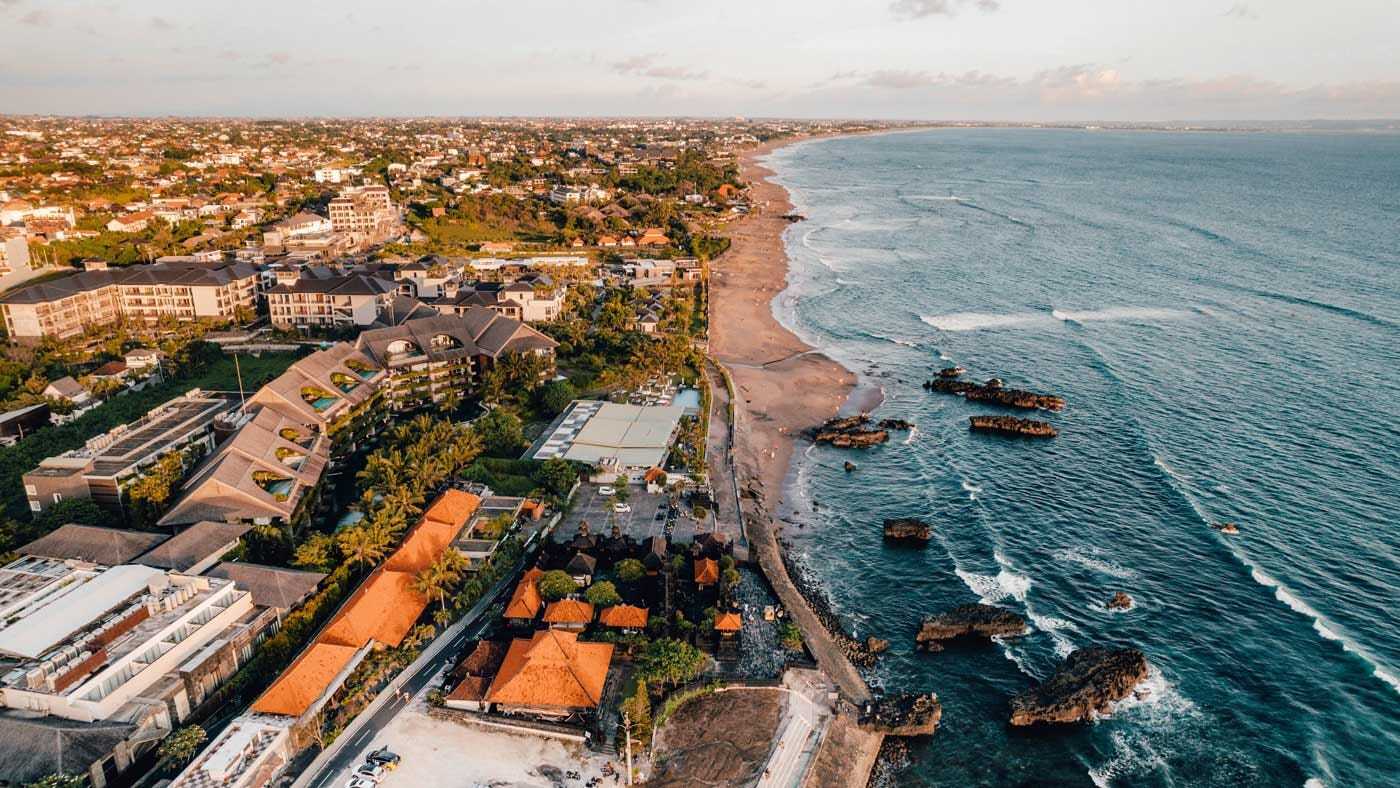
When assessing locations, consider the following:
- Current Demand — Check for existing tourist flows, infrastructure quality, pricing, occupancy rates, and property reviews.
- Demand Potential — Evaluate whether the area is primed for more tourism and if infrastructure can keep up.
- Current Supply — Look at the available hotels, villas, and other accommodations.
- Supply Potential — Assess available land with suitable zoning for development.
- Your Preferences — Think about what matters most for you — ocean views, privacy, or proximity to top dining and entertainment.
Property Ownership Legal Structure: Freehold vs. Leasehold
Foreign ownership in Indonesia is structured around leasehold agreements, as freehold ownership is only available to Indonesian citizens. Leasehold terms vary but often last for 25 years, with extension options.
When selecting a villa in Bali, it’s essential to carefully review the developer’s land status and the lease extension terms specified in the contract.
When selecting a villa in Bali, it’s essential to carefully review the developer’s land status and the lease extension terms specified in the contract.
Important Note: Foreigners can only lease, not own, land in Bali. This is why leasehold contracts are essential for secure, long-term investment.
Classes of Bali Real Estate: What to Expect in 2025–2028
Bali’s real estate is divided into several rate segments: Luxury (over USD 301/night), Upper Upscale (USD 201–300), Upscale (USD 141–200), Upper Midscale (USD 81–140), and Economy (USD 51–80).

Luxury properties are Bali’s top performers.
In 2023, all-villa resorts reached a 55% occupancy rate, up from 36% in 2022. Bali’s development pipeline reflects this high demand, with 74% of upcoming projects in upscale and luxury segments. Brands like Kempinski and Anantara have ambitious plans for new properties, hinting at promising growth in the high-end market. For investors, it’s clear that Bali is shaping up to welcome even more affluent travelers, and positioning in the luxury segment could be a strategic move.
In 2023, all-villa resorts reached a 55% occupancy rate, up from 36% in 2022. Bali’s development pipeline reflects this high demand, with 74% of upcoming projects in upscale and luxury segments. Brands like Kempinski and Anantara have ambitious plans for new properties, hinting at promising growth in the high-end market. For investors, it’s clear that Bali is shaping up to welcome even more affluent travelers, and positioning in the luxury segment could be a strategic move.
Taxes on Real Estate Purchases and Rental Income for Foreigners
Understanding Bali’s tax implications is crucial for foreign investors:
Tax Optimization: Certain offshore structures can help optimise tax liabilities; usually they are discussed individually with investors.
- Property Purchase Taxes: Buyers pay an 11% VAT on the purchase amount. Developers are responsible for a 10% income tax and a 1% notary fee.
- Rental Income Tax: Foreign owners pay a 20% tax on rental income. However, foreign individuals cannot directly rent out property and must work through a management company, which acts as a tax agent.
Tax Optimization: Certain offshore structures can help optimise tax liabilities; usually they are discussed individually with investors.
Be Wary of Marketing Buzz and Unrealistic ROI Promises

Beware of developers or agents promising returns over 10–12% without financial justification.
Average ROI in Bali, according to reports from Colliers, JLL, and Knight Frank, stands around 7.8%, translating to a 12-year payback period.
When evaluating properties, closely review the financial model. If guaranteed returns are offered, understand the assets that support these promises. We recommend using a reliable checklist like ours, covered inanother article, to help investors avoid inflated projections and misleading buzzwords.
Average ROI in Bali, according to reports from Colliers, JLL, and Knight Frank, stands around 7.8%, translating to a 12-year payback period.
When evaluating properties, closely review the financial model. If guaranteed returns are offered, understand the assets that support these promises. We recommend using a reliable checklist like ours, covered inanother article, to help investors avoid inflated projections and misleading buzzwords.
Conclusion
Bali’s real estate market offers promising opportunities, but a careful, well-informed approach is essential. Neighbours’ checklist is designed to help you navigate property options and avoid common pitfalls. If Bali’s dynamic market interests you, reach out to the Neighbours team. We’re here to discuss your goals and help create a strategy tailored to your needs and vision.